

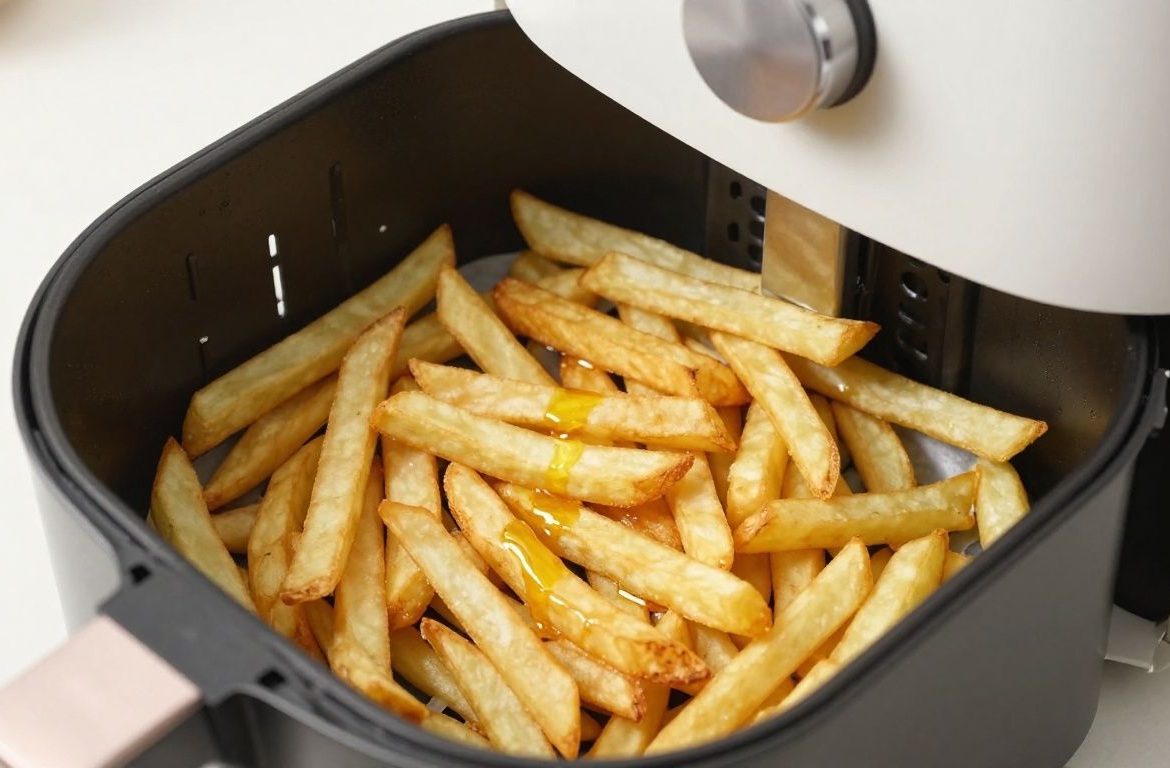
You bought an air fryer. You were promised crispy golden chips, juicy chicken, and perfectly cooked vegetables — all with barely a drop of oil. And yet, somehow, things aren’t quite living up to the hype. The chips come out pale and soft. The chicken is dry. The vegetables taste steamed rather than roasted.
Sound familiar? Don’t worry. You haven’t bought a dud machine. The chances are, you’re simply making one — or several — of the mistakes that trip up almost every new air fryer owner. The good news is that every single one of them is easily fixed, and once you know what to avoid, your results will genuinely transform overnight.
We’ve pulled together the ten most common air fryer errors that home cooks across the UK make on a daily basis, along with the precise fixes that will turn your machine from a disappointment into your most-used kitchen appliance.
1. Overcrowding the Basket — the number one crispiness killer
This is by far the most widespread air fryer mistake, and it’s almost universal among new owners. When you pack the basket too full, the hot air cannot circulate properly around each piece of food. Instead of frying — where the surface dries out and crisps up — the food essentially steams in the moisture coming off its neighbours. The result is pale, soft, and frankly disappointing food.
The fix is simple but requires patience: cook in smaller batches. As a general rule, food should sit in a single layer with at least a centimetre of space between each piece. Yes, this means your chips will take two or three rounds. But the results will be incomparably better — golden, crunchy, and worth the extra few minutes.
✔ Pro Tip: If you regularly cook for a family, consider upgrading to a dual-basket or larger capacity model. A 9–10 litre air fryer can handle proper family portions without compromise.
2. Skipping the Preheating Step
Many air fryer owners assume that because the machine heats up faster than a conventional oven, they can simply load it up cold and hit start. This is a mistake. Most air fryers benefit from 2–3 minutes of preheating at your target temperature before the food goes in. Without this step, the first few minutes of cooking are simply bringing the air up to temperature rather than actually cooking your food — which affects browning and timing.
Check your air fryer’s manual to see whether it has a dedicated preheat function. Many modern models, such as those in the Ninja Foodi range, include a preheat setting. If yours doesn’t, simply run it empty at your cooking temperature for 2–3 minutes before adding food.
✔ Pro Tip: For bread-crumbed items such as fish fingers, chicken nuggets, or breaded cheese, preheating is especially important. It creates an immediate sizzle on contact that seals the coating and prevents sogginess.
3. Using Too Much — or Too Little — Oil
The air fryer’s selling point is that it uses dramatically less oil than traditional deep frying. But ‘dramatically less’ does not mean ‘none whatsoever’. Many people go completely oil-free and then wonder why their food looks anaemic and lacks flavour.
A light coating of oil — typically half to one teaspoon per serving — is all you need to promote browning, enhance flavour, and help spices adhere to the food’s surface. The opposite mistake is using too much oil, which can cause smoking, make food greasy, and even damage some air fryer coatings over time.
The sweet spot is a thin, even coating. Toss your food in oil in a bowl before placing it in the basket, rather than drizzling oil over it once it’s already in the machine — this ensures far more even coverage.
4. Forgetting to Shake or Flip Halfway Through
Air fryers circulate hot air from above, which means the underside of your food — the part resting on the basket or rack — receives less direct heat and airflow. If you simply leave food untouched from start to finish, one side will be beautifully golden and the other will be pale and soft.
The fix is easy: shake the basket (for small items like chips, wedges, or sprouts) or flip larger items (chicken thighs, fish fillets, burgers) halfway through the cooking time. Many air fryers will alert you with a beep as a reminder. Set a timer as a backup if yours doesn’t.
✔ Pro Tip: For foods like chips or diced vegetables, shaking twice — once at the one-third mark and again at the two-thirds mark — produces noticeably more even results than a single shake at the halfway point.
5. Ignoring the Drip Tray — or Forgetting to Clean It
Most air fryers have a drawer-style design where the basket sits above a drip tray that catches fat, juices, and crumbs. A surprising number of owners either forget this tray exists or neglect to clean it regularly. A tray full of old grease will smoke during your next cooking session, filling your kitchen with unpleasant fumes and potentially affecting the flavour of your food.
Empty and rinse the drip tray after every use. If you’ve been cooking particularly fatty items — sausages, bacon, duck legs — check it mid-cook and pour off excess grease to prevent smoking. A clean drip tray also means your air fryer’s heating element is protected from grease splatter build-up, extending the appliance’s lifespan considerably.
6. Cooking Wet-Battered Food Without Modification
One of the most common disappointments new owners encounter is trying to recreate traditional battered fish or onion rings in the air fryer — only to find the batter slides off, drips through the basket, and creates a smoky mess rather than a crispy coating.
The reason is straightforward: traditional liquid batter (the kind used for fish and chips) requires the shock of hot oil to instantly set the coating. Without oil, it simply doesn’t work in the same way. The solution is to use dry coatings — breadcrumbs, panko, seasoned flour, or cornflake crumbs — which adhere properly and crisp up beautifully in circulating hot air.
If you want that classic battered texture, look specifically for recipes developed for air fryer cooking, which typically use a thicker paste-style batter or a double coating of flour, egg, and breadcrumbs.
7. Setting the Wrong Temperature for the Job
Temperature control is everything in air frying, yet many people simply pick a single setting and apply it to every dish. Different foods require different temperature ranges to achieve their ideal texture and doneness.
As a general reference for UK cooking:
• Chips and wedges: 190–200°C for 20–25 minutes
• Chicken breast: 185°C for 18–22 minutes (check internal temperature reaches 75°C)
• Salmon fillets: 180°C for 10–13 minutes
• Sausages: 180°C for 12–15 minutes, turning once
• Roasted vegetables: 200°C for 12–18 minutes, shaking once
• Pastry items: 175–180°C for 10–18 minutes depending on thickness
Cooking at too high a temperature will char the outside while leaving the inside undercooked. Too low, and food will cook through but lack colour and crispiness. Consulting a recipe specifically written for air fryer cooking — rather than adapting conventional oven recipes on the fly — makes a significant difference to results.
8. Lining the Basket with Foil That Blocks Airflow
Using foil or parchment in the air fryer is not inherently wrong — it can be genuinely useful for delicate items like fish or for reducing washing up. The problem arises when the lining covers too much of the basket’s perforated base, blocking the airflow that makes the appliance work.
If you’re using foil or parchment paper, cut it to fit only the area beneath your food, leaving the sides of the basket clear. Never place foil or parchment in an empty air fryer and then turn it on — without food to weigh it down, it will be sucked up by the fan and could damage the heating element or catch fire.
✔ Pro Tip: Purpose-made air fryer perforated parchment liners are widely available and are a far safer, more effective option than cutting your own foil. They allow airflow while catching drips and make clean-up considerably easier.
9. Not Drying Food Thoroughly Before Cooking
Moisture is the enemy of crispiness. Whether you’re cooking vegetables, chicken, or tofu, excess surface moisture will steam rather than crisp — undoing all the air fryer’s advantages. This is a particularly common issue with chicken, which releases a lot of natural moisture, and with vegetables that have been washed and not properly dried.
Before placing food in the basket, pat it thoroughly dry with kitchen paper. For particularly watery vegetables — courgettes, aubergine, mushrooms — salt them first and leave for 10–15 minutes, then pat away the drawn-out moisture. This single step makes a remarkable difference to the final texture.
Marinated foods should also be patted lightly dry before air frying. The marinade flavour will have already penetrated the food; removing excess surface liquid simply helps browning.
10. Never Consulting the Manual for Your Specific Model
This last mistake is perhaps the most overlooked. Air fryers vary enormously between manufacturers and even between models from the same brand. Cooking times, maximum fill levels, recommended temperatures, and basket positioning all differ. A Ninja Foodi, a Tefal EasyFry, and a Tower Vortx may require slightly different approaches for the same dish.
Take 15 minutes to read through your air fryer’s instruction manual, particularly the cooking guide or temperature chart that most manufacturers include. Note any specific warnings — for instance, some smaller models explicitly advise against cooking very fatty meats without the drip tray in place, while certain models have wattage limitations that affect cooking times.
Understanding the quirks of your specific machine is the single fastest way to improve your results without changing a single recipe.
Bonus: Signs That Your Air Fryer Needs Replacing
Even with perfect technique, no appliance lasts forever. Watch out for these warning signs that your machine may be past its best:
• Persistent smoking even after thorough cleaning — could indicate damaged coating or a failing element
• Noticeably longer cooking times for dishes that used to be quick — suggests reduced heating efficiency
• The basket’s non-stick coating is peeling or flaking — replace immediately, as ingesting coating fragments is a health concern
• Unusual smells that persist across multiple cleans
If your air fryer is showing these symptoms, it’s worth exploring the range at AirFryersOnSale.co.uk, where you’ll regularly find excellent deals on leading brands including Ninja, Tower, Tefal, and Philips — often at significantly reduced prices compared to the high street.
Final Thoughts: Small Adjustments, Transformative Results
The air fryer is genuinely one of the most capable kitchen appliances of the past decade. But like any tool, it rewards users who take the time to understand it. Avoiding the mistakes outlined above doesn’t require expensive accessories, complicated techniques, or hours of additional effort — most of these fixes take seconds to implement.
Try tackling just two or three from this list on your next cooking session and see how dramatically your results improve. Then work through the rest over the following week. Within a fortnight, you’ll wonder how you ever struggled with the machine that’s now one of your most relied-upon kitchen companions.
Which of these mistakes have you been making? Drop us a comment below — and let us know which fix made the biggest difference for you!
Frequently Asked Questions
Q1. Why is my air fryer food not getting crispy even when I follow the recipe?
The most likely culprits are overcrowding the basket, skipping the preheat step, or not drying food sufficiently before cooking. Try these three fixes first: cook in a single layer with space between pieces, preheat for 2–3 minutes, and thoroughly pat food dry with kitchen paper. These three adjustments alone resolve the vast majority of crispiness complaints.
Q2. Why does my air fryer smoke during cooking?
Smoking typically results from accumulated grease in the drip tray, food debris from previous sessions, or excess oil dripping from fatty foods during cooking. Empty and clean the drip tray thoroughly after each use. For particularly fatty foods like sausages or bacon, add a tablespoon of water to the drip tray before cooking — this prevents the fat from reaching its smoke point.
Q3. Can I use baking paper in my air fryer?
Yes, with important precautions. Always place baking paper beneath food — never in an empty, switched-on air fryer, as the fan can draw it upward toward the heating element. Opt for perforated air fryer parchment liners rather than solid sheets, as these maintain the airflow that is essential to the appliance’s function. Ensure the paper does not overhang the sides of the basket.
Q4. How do I stop my air fryer from smelling after cooking strong-smelling foods?
After cleaning, place a small dish containing two tablespoons of white vinegar and run the air fryer at 200°C for 3 minutes. Alternatively, a halved lemon placed in the basket and heated briefly acts as a natural deodoriser. Always clean the basket, tray, and interior with warm soapy water immediately after use — dried-on residue is the main source of lingering odours.
Q5. Is it cheaper to run an air fryer than a conventional oven?
Generally, yes. Most air fryers operate at 1,200–1,800 watts and complete cooking in significantly less time than a full-sized oven. A conventional oven typically consumes 2,000–2,500 watts and requires lengthy preheating. For everyday cooking tasks — chips, chicken portions, vegetables — an air fryer typically uses 40–60% less energy than a conventional oven for the same result, making it meaningfully cheaper to run at current UK energy tariffs.

Leave a comment